El Niño Typhoons in East Asia Kill Dozens and Shut Airports
Overview
A run of intense storms linked to El Niño has killed dozens of people, closed major airports, and damaged crops and infrastructure across East Asia in recent months. The UK Met Office has forecast the strongest El Niño in living memory. Typhoon Champi in October and Super Typhoon Dolphin in August were among the worst.
Key Highlights
- El Niño typhoons in East Asia have killed dozens since June.
- Typhoon Champi had winds of 295km/h but did not make landfall in Taiwan.
- Super Typhoon Dolphin lasted 16 days before hitting eastern China.
- The El Niño is expected to last until February or March.
What Happened?
In October, nearly all of Taiwan shut down as Typhoon Champi approached its northeast coast. The storm was big enough to cover the whole island of 23 million people. It skirted past Taiwan but brought heavy rain, and hundreds of flights were cancelled in Hong Kong, Taiwan and Japan. In the Philippines’ Batanes islands, waves forced seaside highways to close. In Japan’s Okinawa islands, 15,000 homes lost power.
Earlier storms had already caused damage. In June, two storms forced one million people in Japan to evacuate. In July, Tropical Storm Narra flooded villages along China’s Guangxi coast. In August, a dolphin hit eastern China, causing floods and dozens of casualties, and Typhoon Saudel then made landfall in three south-eastern cities.
Why Is It Important?
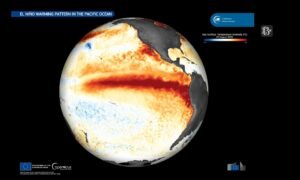
El Niño is a natural climate pattern in which warm water pools in the eastern Pacific and wind patterns shift, driving extreme weather worldwide. It happens every two to seven years and lasts about a year. El Niño typhoons in East Asia have left coastal communities in the Philippines, Taiwan, China, and Japan facing repeated disruption.
Impact and Implications
The storms have shut transport networks, forced thousands to evacuate and wiped out crops. Power cuts and flooded streets have also strained local services.
What Happens Next?
The Met Office expects the El Niño to continue until February or March. Coastal areas could face further storms before it ends.