Master Your Kitchen and Save Time with a Weekly Meal Planner
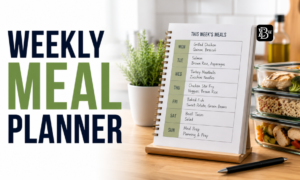
Every night, countless homes wrestle with the same puzzle: what to fix for dinner. Out comes the phone, quick deliveries show up instead, wallets feel lighter by Friday. A quiet shift happens when someone starts planning meals ahead – just one short session each week. Choices settle down. The fridge stops holding forgotten ingredients. No rush, no last-minute trips through rain or traffic. Thought fills the space where chaos used to live. Each dish fits somewhere on the calendar like a note in a song. Money stays put. Bodies get better fuel. Even the act of jotting ideas brings calm – it’s surprising how much changes without force. Menus drawn early become anchors, not chores. Clarity arrives disguised as paper and pencil.
The Economic Advantages of Meal Planning
Most people see their spending change fast once they start planning meals each week. Walking into a store without clear plans often leads to grabbing things on a whim, plus picking up spices or cans already sitting unused at home. With a set plan for dinners and lunches, the shopping list gets sharp – tied exactly to what will be cooked. That kind of clarity means fewer extra items fill the cart, simply because there’s no room for guesswork. Leftovers stop rotting in the fridge, forgotten. Each ingredient has a purpose now. Money meant for food goes further when nothing slips through the cracks. Over time, less cash disappears into spoiled groceries nobody eats.
Reducing Daily Decision Fatigue and Mental Load
Beyond the clear financial advantages, the mental clarity gained from organizing your food schedule is truly invaluable. The concept of decision fatigue is a well-documented psychological phenomenon, representing the deteriorating quality of choices made by an individual after a long day of decision-making. By the time evening arrives, choosing a healthy recipe, checking for ingredients, and executing the cooking process can feel like an insurmountable chore. Implementing a structured weekly meal planner removes this exhausting mental hurdle entirely from your evening routine. When you already know exactly what is on the menu, you can transition directly into cooking without a second thought. This predictability creates a calmer evening atmosphere, transforming time in the kitchen from a frantic rush into a relaxing ritual to wind down your day.
Supporting Nutritional Goals and Healthier Choices
It is a common reality that when we are starving and exhausted, we instinctively reach for the most convenient, calorie-dense options available. Fast food and processed convenience meals become the default when a structured alternative does not exist. A thoughtful weekly meal planner serves as a vital safeguard for your personal health and wellness objectives. When you sit down to plan your dishes in advance, you are doing so with a clear, rational mind, making it significantly easier to ensure balanced nutrition. You can intentionally design menus that incorporate a diverse variety of lean proteins, complex carbohydrates, and vibrant seasonal vegetables. Furthermore, using a weekly meal planner empowers you to control portion sizes and manage sodium and sugar intake far better than any commercial restaurant or pre-packaged meal ever could.
Designing a Sustainable System for Long-Term Success
Transitioning to this organized lifestyle does not require a complex or rigid protocol to be effective. The most successful strategy with a weekly meal planner is to keep the system adaptable and highly personalized to your specific lifestyle. You should begin by reviewing your calendar for the upcoming week to identify late meetings, social gatherings, or kids’ sports practices that might restrict your cooking time on specific nights. On those exceptionally busy evenings, your weekly meal planner can intentionally feature effortless slow-cooker recipes, quick sheet-pan dinners, or designated leftover nights. It is completely acceptable to leave a night or two open for spontaneous dining out or flexible meals. The ultimate objective is not to restrict your freedom, but rather to provide a supportive framework that reduces friction and brings harmony back to your dining table.
Streamlining the Preparation and Grocery Routine
Once you establish the habit of maintaining a regular schedule, the actual process of grocery shopping and meal preparation becomes incredibly streamlined. You no longer need to make multiple stressful trips to the market throughout the week to pick up forgotten ingredients. Your integrated weekly meal planner serves as a comprehensive master blueprint for your entire weekly food cycle. With your detailed plan in hand, you can easily consolidate your shopping into a single, efficient trip or utilize a convenient online grocery delivery service. Additionally, knowing your menu in advance allows you to engage in smart batch-prepping, such as washing all your vegetables, marinating your meats, or pre-cooking large grains over the weekend. This initial investment of effort pays massive dividends during the hectic workweek, cutting your daily active cooking time entirely in half.
Embracing a Sustainable Culinary Lifestyle
Ultimately, committing to a consistent weekly meal planner is an investment in your overall quality of life. It bridges the gap between your best intentions for eating well and the practical realities of a demanding daily schedule. As the weeks progress, you will likely discover a newfound joy in cooking, as the process is no longer overshadowed by urgency and disorganization. You will find yourself experimenting with exciting new recipes, utilizing your pantry staples more effectively, and enjoying peaceful, nourishing meals with your family. By allowing a dedicated weekly meal planner to guide your culinary path, you successfully trade kitchen chaos for a sustainable, joyful, and healthy lifestyle.